With the right care, chapped lips usually heal in two to three weeks, and the right care often starts with checking what is in the lip balm.
Lip skin is thin and makes little oil of its own, which is why cold air and heated rooms dry it out so easily. Many balms add to the problem. Menthol, camphor and mint flavoring, the ingredients behind a balm’s cooling tingle, are on dermatologists’ list of things to avoid on cracked lips, and more coats of an irritating formula only keep the cycle going.
The fixes below start with the label, because a plain, fragrance-free ointment is the one product dermatologists keep coming back to. A humidifier and a thick layer at bedtime come next.
Why do lips get so chapped in winter?
Lip skin is only a few cell layers thick, with no sweat glands and fewer oil glands than the skin around it, Live Science explains, so cold, dry outdoor air and indoor heating dehydrate it easily. Lips also have little melanin, which leaves them easily damaged by the sun, notes Cynthia Bailey, MD, a dermatologist who writes about lip care on her Dr. Bailey Skin Care site.
Some people also have more to contend with. Cleveland Clinic lists medications among the causes of lips that keep chapping (more on that below), and breathing through the mouth while asleep dries them further.
1. Use a balm that seals in moisture
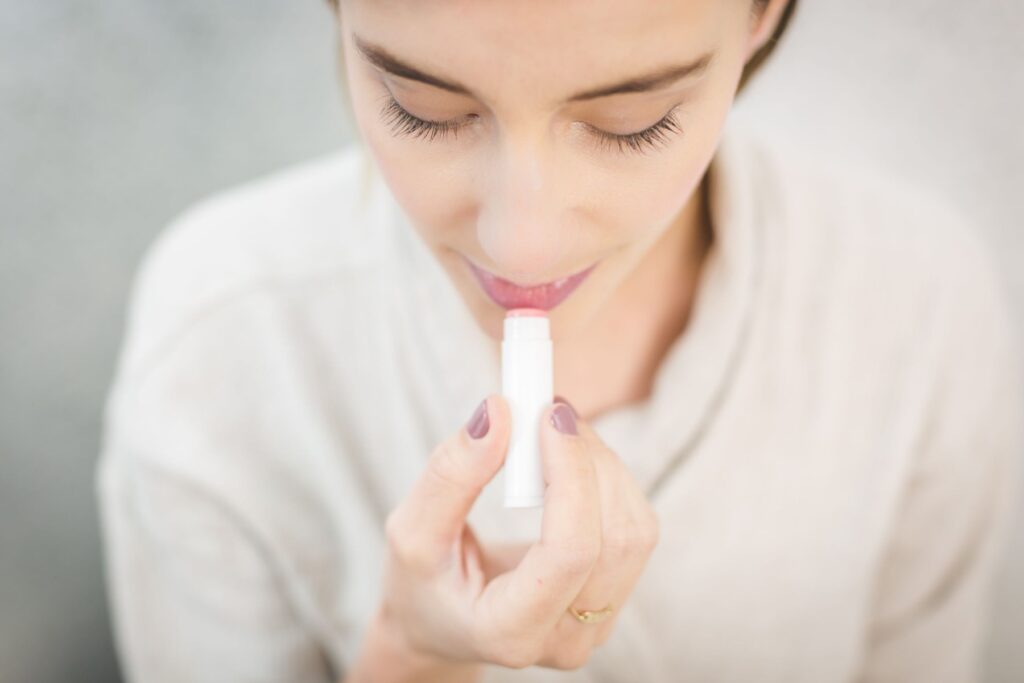
A good lip product works by sealing moisture in. The American Academy of Dermatology (AAD) suggests looking for these ingredients on the label:
- Petrolatum or white petroleum jelly
- Ceramides
- Dimethicone
- Shea butter
- Mineral oil, castor seed oil or hemp seed oil
- Zinc oxide or titanium oxide, for sun protection
The academy also recommends products labeled fragrance free and hypoallergenic.
Hyaluronic acid needs a partner. It is a humectant, meaning it draws water into the skin, and it needs a sealing ingredient on top or that water evaporates. Hadley King, MD, a board-certified dermatologist in private practice in New York City, told NBC Select that humectants only work when paired with emollients and occlusives. A hyaluronic lip serum works best with a balm or ointment layered over it.
2. Check the label for these irritants
The AAD lists ingredients to avoid while lips are chapped, because they can irritate or dry the skin:
- Camphor, eucalyptus and menthol
- Flavorings such as cinnamon, citrus, mint and peppermint
- Fragrance
- Lanolin
- Phenol (or phenyl) and propyl gallate
- Salicylic acid
- Octinoxate and oxybenzone, two chemical sunscreen filters
The academy’s simplest rule: if a lip product burns, stings or tingles, it is irritating the lips, and it is time to stop using it. A tingle is not a sign that a balm is working.
Lanolin often surprises people, since it is a classic in old-fashioned lip balms. It is on the list because it is a known allergen: lanolin alcohol was one of the common triggers in the allergy study described below.
3. Stop licking and picking
Licking dry lips makes them worse. Saliva evaporates quickly and leaves lips drier than before, according to the AAD, which suggests reaching for a non-irritating balm instead.
Picking is the other habit to drop. Cleveland Clinic dermatologist Melissa Piliang, MD, compares flaking lips to a peeling sunburn: the loose skin protects the new skin forming underneath, and pulling it off early can cause irritation and even infection. Let it come away on its own.
Piliang also lists spicy food as an irritant, and the AAD advises keeping metal objects such as paper clips and jewelry out of the mouth.
4. Put a humidifier by the bed
Dry indoor air works on lips all night. The AAD recommends running a humidifier in the bedroom, especially for anyone who breathes through their mouth while asleep, and drinking plenty of water during the day.
5. Go thick at night
Bedtime is when a heavy layer can sit undisturbed for hours. For lips that are very dry and cracked, the AAD recommends a thick ointment such as white petroleum jelly, which it says seals in moisture longer than waxes or oils do. Apply balm several times a day and again before bed.
6. Wear SPF 30 on your lips, even in winter
Winter sun still reaches the lips, and the AAD advises sun protection in every season. It recommends a non-irritating lip balm with SPF 30 or higher before heading outdoors, reapplied every two hours outside. Mineral filters, zinc oxide and titanium oxide, are the gentler choice for sore lips, since the chemical filters octinoxate and oxybenzone are on the academy’s avoid list. The academy also notes that sun on the lips can set off cold sores in people prone to them.
The long-term reason is skin cancer. Most lip cancers develop on the lower lip, which catches more sun, and actinic cheilitis, a precancerous condition caused by years of sun exposure, shows up on the lower lip about 12 times as often as the upper, according to the Skin Cancer Foundation. Glosses without SPF can increase the sun’s effect on the lips, the foundation adds.
7. Skip the lip scrub until they heal
Lip scrubs are sold as the fix for flaky lips, but Piliang advises skipping manual exfoliants altogether, because scrubs and polishes strip the protective top layer and dry the lips further.
Not every expert goes that far once lips are healthy again. On their podcast Skinside Out, licensed aesthetician Courtney Carroll suggests exfoliating about once a week or every other week, and her co-host Zain Husain, MD, a dual board-certified dermatologist and Mohs surgeon at NOOR Dermatology & Aesthetics, adds the condition that matters: never on cracked or irritated lips. For chapped lips, that means no scrubbing at all until they have healed.
8. Look at your lipstick and toothpaste
When lips stay chapped despite good habits, an allergy may be the cause. In a study of 10,061 patients patch tested for skin allergies, reported by The Hospitalist, researchers at the University of Louisville found allergic inflammation of the lips in 0.7% of them, and 92% of those cases were women. A fragrance mix was the most common trigger, and lipsticks and other makeup were the leading sources. Jewelry, medicated creams and oral hygiene products such as toothpaste also made the list.
The practical step is to swap the likeliest suspect, such as a scented lipstick or a flavored toothpaste, for a plain version. Bailey suggests avoiding a suspected allergen for a month to see whether the lips clear, and a dermatologist can run a patch test to find the exact ingredient.
Is lip balm addictive?
Not physically. Piliang says lip balm is not physically addictive, but reaching for it can become a habit, much like twirling hair or biting nails. She also says balm does not stop lips from making their own moisture.
Piliang points to the ingredients instead. Phenol, menthol and salicylic acid can dry the lips, which prompts another coat, which dries them again. Her advice is to avoid balms that contain them.
When chapped lips need a dermatologist
With self-care, chapped lips usually heal in two to three weeks, according to the AAD. If they haven’t by then, it recommends seeing a board-certified dermatologist, because an allergy, a yeast infection or actinic cheilitis can all cause lip dryness.
Cracks at the corners of the mouth are their own condition, called angular cheilitis. On Skinside Out, Carroll notes it often appears where saliva collects overnight. Husain adds that it can be linked to low B vitamins and often needs antifungal or anti-inflammatory treatment rather than more balm.
Lips that keep chapping can also point to something beyond the weather. Cleveland Clinic’s guide to chapped lips lists thyroid or autoimmune conditions, low iron or B vitamins, and reactions to medications such as retinoids as possible causes, and notes a provider may order an allergy skin test, blood tests or a skin biopsy. Bailey adds that actinic cheilitis can look like ordinary chapping, so a rough or scaly patch on the lower lip that never fully clears is worth showing to a doctor. She notes that rashes such as lichen planus and lupus can also mimic chapping.
This article is for general information and is not medical advice. Speak to your doctor or a board-certified dermatologist about any lip problem that doesn’t heal.