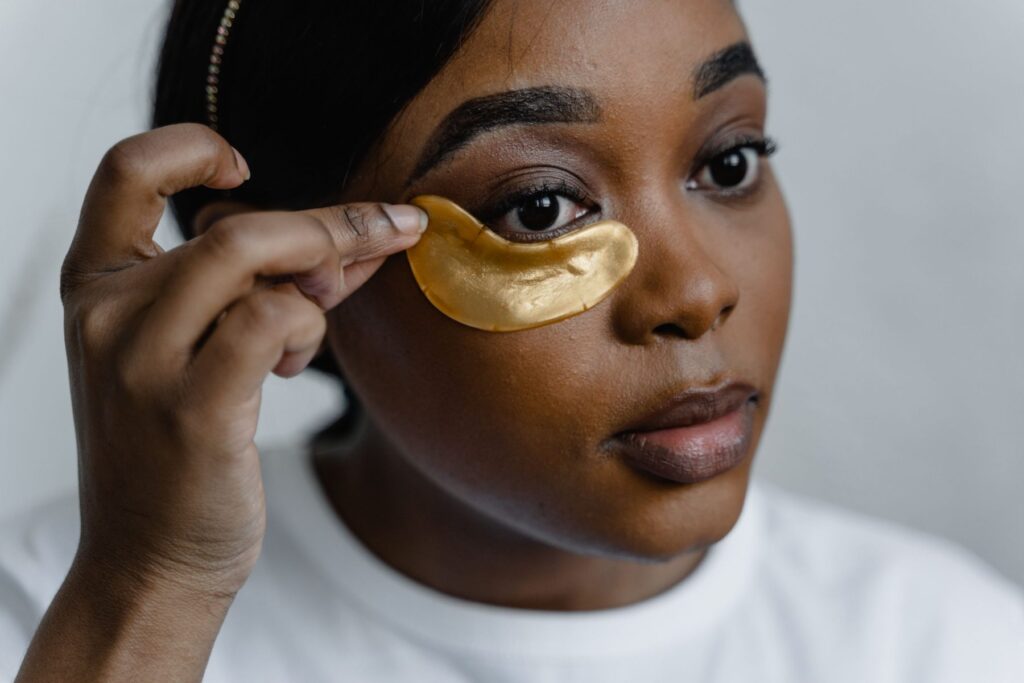
Puffy eyes that show up first thing in the morning and fade by lunch are mostly water, and water is the easiest part of the face to move.
The catch is that not every puffy look is water. A bag that stays put from breakfast to bedtime is usually fat and loosened tissue, and no cold spoon, patch or eye cream will shift it. Working out which one you are looking at decides whether a two-minute fix will help or whether it is a job for a doctor.
For the morning kind, the fixes are cheap and mostly already in the kitchen. A cold compress, a lighter hand with the salt shaker and one extra pillow handle most of it, and a concealer trick from makeup artists hides whatever is left.
Is it puffiness, a bag or a dark circle?
Sam Ellis, MD, a cosmetic dermatologist, sorts the look-alikes into four types in a YouTube video on eye bags. Fluid puffiness is worst when you wake up and eases as the day goes on. A true bag is fat that has pushed forward under the eye; it looks the same at night as it did in the morning and often runs in families. Hollowing, where the area under the eye has lost volume, can cast a shadow that passes for a bag. Dark circles are a color problem, from pigment or from blood vessels showing through thin skin.
A simple test: take a photo when you wake up and another in the late afternoon. If the swelling has shrunk, the tips below will help. If it hasn’t changed, skip to the section on permanent options.
What causes puffy eyes?
The Mayo Clinic puts most under-eye swelling down to age. The tissue and muscles that support the eyelids weaken over time, the skin sags, and the fat that normally sits around the eye can slip down below it. Fluid collects in the same spot, most of all in the morning or after a salty meal. Short sleep, allergies, smoking and family history all make it more likely.
Because the support tissue weakens with age, bags tend to become more noticeable over the years. The fluid part comes and goes; the structural part builds slowly, and it is the part quick fixes cannot reach.
9 ways to get rid of puffy eyes
1. Start with cold
Cold narrows blood vessels and helps push fluid out of the tissue, which is why every fix on this list starts here. Johns Hopkins Medicine lists cold compresses for fluid swelling and notes that the effect is temporary. A washcloth soaked in cold water, two metal spoons from the fridge or a bag of frozen peas wrapped in a thin towel all do the same job. Never put ice straight on the skin around the eye.
2. Use caffeine, and keep expectations modest
Caffeine is a common ingredient in depuffing eye creams, and Johns Hopkins Medicine also suggests chilled black tea bags as a short-term option. The evidence is thinner than the marketing. A 2024 review of eye cream ingredients in the International Journal of Women’s Dermatology pointed to studies in which caffeine improved lower-lid puffiness and dark pigment, but its authors noted that few clinical trials have tested eye creams on the skin around the eye and called for larger studies. Keeping a caffeine cream in the fridge adds the benefit of cold. It will not move a true bag.
3. Try a gentle massage or a cold roller
Light massage can help the lymphatic system carry trapped fluid away. In his video, Dr. Ellis suggests pairing a cold tool, such as an ice roller or a chilled spoon, with gentle pressure up and out. Dermatologist Heather D. Rogers, MD, founder of Doctor Rogers Skin Care, says the goal with a roller is efficient lymphatic drainage, not speed.
4. Keep a box of cooling patches in the fridge
Hydrogel eye patches are mostly a delivery system for cold and a little moisture. Dr. Rogers notes that cooling patches can calm mild puffiness by tightening blood vessels, but deeper swelling needs another approach. Storing them in the fridge adds to the effect.
5. Cut the salt the day before
Salt makes the body hold on to water, and some of that water settles under the eyes overnight. Dr. Rogers recommends easing off salty food at least 24 hours before an event you want to look fresh for, because the body takes time to clear the extra fluid.
6. Go easy on evening drinks
Alcohol late in the evening is one of the triggers Dr. Ellis flags for morning puffiness, along with a salty dinner. Alternating drinks with water and stopping earlier in the evening can help.
7. Sleep with your head slightly raised
Lying flat lets fluid pool around the eyes overnight. Dr. Ellis suggests using a pillow to raise your head about 10 degrees.
8. Treat allergies, and stop rubbing
Allergies can puff up the lids and leave dark “allergic shiners” underneath. The American College of Allergy, Asthma and Immunology warns that rubbing itchy eyes makes the irritation worse and can lead to infection. It says prescription antihistamine eye drops can ease itching, redness and swelling, and that over-the-counter decongestant drops should not be used for more than two or three days, since longer use can cause rebound redness, and not at all by people with glaucoma. If symptoms keep coming back, an allergist can find the trigger.
9. Use concealer like contour
Concealer painted straight over a puffy bag often makes it look bigger, especially once it settles into the creases. Celebrity makeup artist Mary Irwin told mindbodygreen she approaches the under-eye like contouring, adding a lighter shade in the shadow just beneath the bag to lift it. The same piece suggests a concealer slightly darker than your skin on the raised part itself.
When puffy eyes need a doctor
Annapurna Singh, MD, an ophthalmologist at Cleveland Clinic, says swelling that hasn’t gone down after a day or two should be seen by an eye care professional, because some causes can harm the eyes. The Mayo Clinic says bags are rarely a sign of anything serious, but it lists dermatitis, dermatomyositis, kidney disease and thyroid eye disease as possible medical causes, and recommends a doctor’s visit when swelling comes with vision problems, irritation, headaches or a skin rash.
Thyroid eye disease is worth knowing by name. The National Eye Institute says its main sign is bulging eyes, but it can also cause puffy lids, gritty or red eyes, double vision and pain or pressure. It usually affects both eyes, though symptoms can show up in one. Swelling in only one eye, or swelling with pain, redness or discharge, is a reason to get checked rather than to reach for the spoons.
What gets rid of under-eye bags for good?
For bags that stay all day, the fixes move into a doctor’s office. Johns Hopkins Medicine describes several options, and these are the most common:
- Filler. Hyaluronic acid filler goes in at the point where the under-eye and cheek join, under local numbing, and typically holds for six to 12 months.
- Laser resurfacing. It removes the top layers of skin and prompts new collagen, which can tighten the area. The effect can hold for years, though sun and skin type play a part.
- Lower eyelid surgery. A lower blepharoplasty is outpatient surgery that moves the fat back into place and firms up the muscle and skin. In most cases it removes the bags permanently.
Filler is not right for every bag. Dr. Ellis says filler can work for fat bags when the skin is very tight, but with any looseness it can make the bulging look worse, and surgery is usually the real fix. He also warns that Botox placed close to the eyes may weaken the muscle action that helps fluid drain. The American Society of Plastic Surgeons puts the average surgeon’s fee for lower eyelid surgery at $3,876, before anesthesia, operating room and other costs. Bruising, swelling and dry eyes are common for a while afterward, and the society’s recovery guide advises dark sunglasses and careful sun protection until the area heals. A board-certified dermatologist or facial plastic surgeon can tell you which option fits your face.
For most mornings, though, the order is simple: cold first, a light massage, a cold patch if there is time, and the contour trick with concealer. Then look at the night before. A salty dinner, a late glass of wine and a flat pillow are the easiest things to change, and they cost nothing.
This article is for general information and is not medical advice. Talk to your own doctor about any swelling that worries you.
Lead photo: Tima Miroshnichenko / Pexels